How to Choose the Right Fuel Tanker Truck
News 2024-08-07
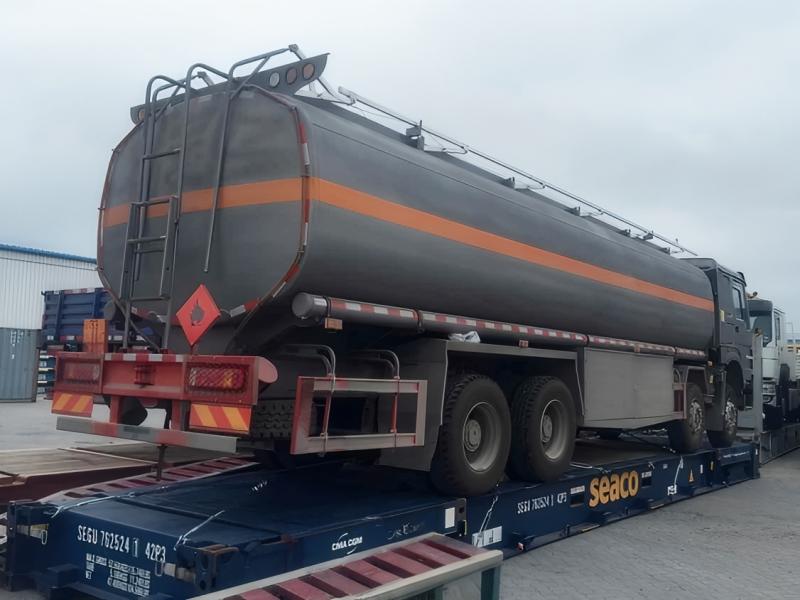
Fuel tanker trucks are essential for fuel transportation in the Middle East and Africa, serving oil companies, fuel distributors, mining operations, and infrastructure projects. Due to high temperatures, long-distance transportation, and complex road conditions, choosing the right fuel tanker truck is critical for safety, efficiency, and long-term operation.
1. Choose a Fuel Tanker Truck Suitable for Hot Climate
Most countries in the Middle East and Africa operate under extreme heat and strong sunlight. Fuel tanker trucks must be designed to handle these conditions.
Key points to consider:
- High-quality tank materials with strong heat resistance
- Professional welding to prevent fuel leakage and deformation
- Reliable valves, manholes, and sealing systems for high temperatures
A tanker designed for hot climates ensures safer fuel transportation and reduces maintenance costs.
2. Select the Right Chassis for Local Road Conditions
Road conditions vary widely across Africa and the Middle East, from highways to rural roads, mining areas, and construction sites.
Customers should consider:
- Heavy-duty truck chassis with strong load capacity
- Reinforced suspension systems for rough and uneven roads
- Suitable drive types such as 4×2, 6×4, or 8×4 based on payload and terrain
Choosing the correct chassis configuration improves stability, safety, and service life.
3.Decide the Proper Tank Capacity and Compartment Design
Fuel tanker truck capacity should match daily fuel demand and transportation distance.
Important design options include:
- Different tank volumes for urban distribution or bulk fuel transport
- Multiple compartments to transport diesel, gasoline, or other fuels separately
- Internal anti-wave plates to improve driving stability and safety
Well-designed tanks help reduce fuel loss and increase transportation efficiency.
4. Focus on Fuel Tanker Truck Safety Features
Fuel transportation requires strict safety control. Customers should ensure the fuel tanker truck is equipped with:
- Emergency shut-off valves
- Pressure relief valves
- Grounding devices and fire protection systems
These safety features are especially important for oil depots, fuel stations, and long-distance fuel transport operations.
5. Prefer Simple Design and Easy Maintenance
Many Middle East and African customers prefer reliable and easy-to-maintain fuel tanker trucks.
Recommended features include:
- Simple mechanical structure
- Easy access to spare parts
- Low dependence on complex electronic systems
This reduces downtime and ensures stable operation in remote or developing areas.
6. Confirm Compliance with Local Fuel Transportation Regulations
Before purchasing, customers should confirm that the fuel tanker truck:
- Meets local vehicle registration and inspection requirements
- Complies with fuel transportation safety standards
- Matches local import and operational regulations
Regulatory compliance ensures smooth clearance, registration, and long-term use.
Choosing the right fuel tanker truck for the Middle East and Africa requires careful consideration of climate, road conditions, tank design, safety systems, maintenance, and regulations. A properly selected fuel tanker truck helps improve fuel transportation efficiency, reduce operating risks, and support long-term business growth.