Types of Garbage Trucks: Uses, Applications, and Key Advantages
News 2023-05-11
Garbage trucks play a key role in modern urban sanitation and waste management. With the development of cities, industrial zones, and public infrastructure, different types of garbage trucks have been designed to meet various waste collection and transportation needs. Each type of garbage truck has its own structure, application, and advantages.
1. Compactor Garbage Truck
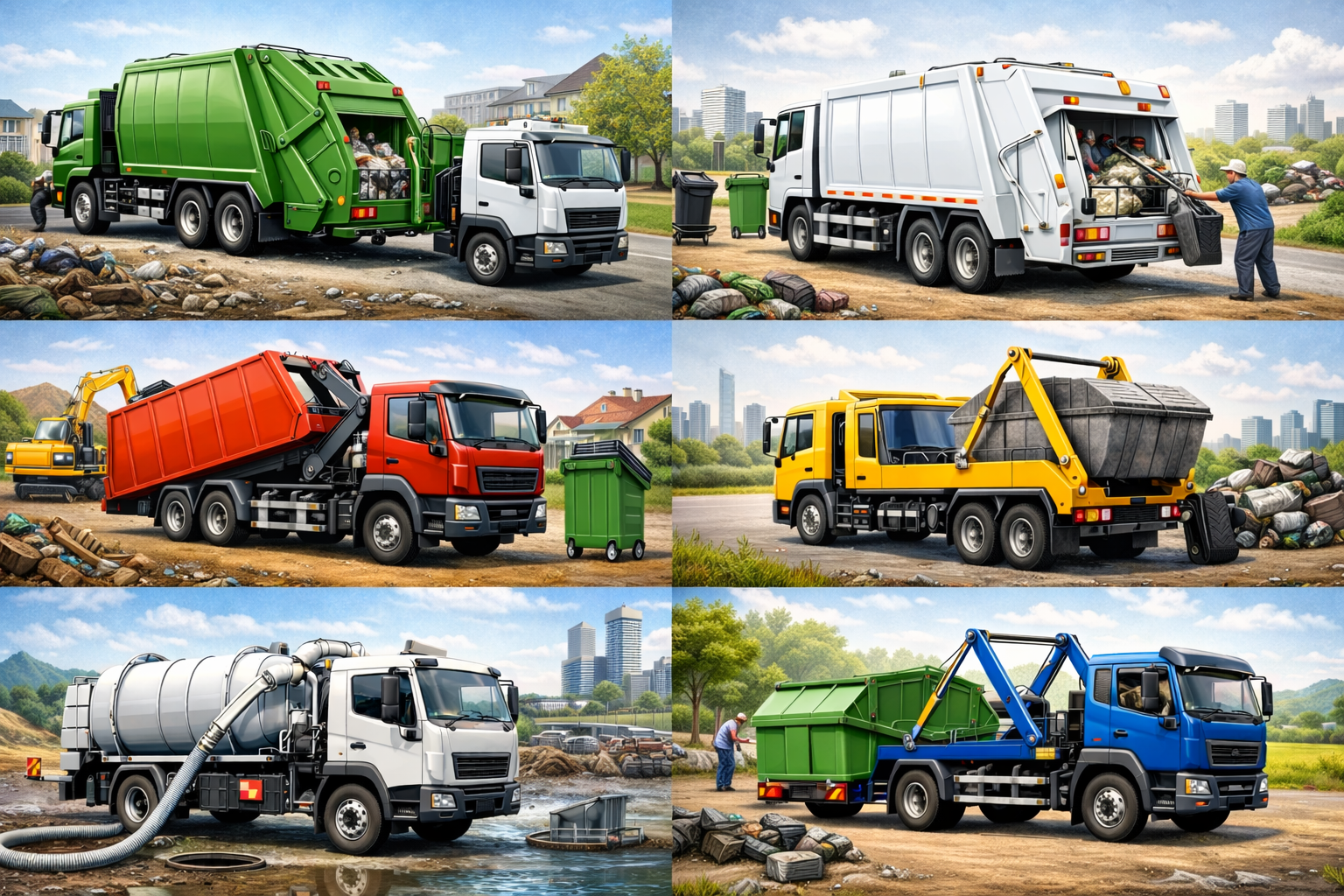
A compactor garbage truck is equipped with a hydraulic compression system that compresses waste inside the container.
Main Use:Used for collecting and transporting household and commercial waste.
Application Scenarios:
- Urban residential areas
- City streets and public areas
- Municipal sanitation departments
Advantages:
- High loading capacity due to waste compression
- Fewer transportation trips, saving fuel and labor costs
- Enclosed structure reduces odor and leakage
2. Side Loader Garbage Truck
A side loader garbage truck collects waste from the side using a hydraulic arm or manual loading system.
Main Use:Designed for efficient waste collection along streets.
Application Scenarios:
- Urban streets
- Residential neighborhoods
- Areas with limited road space
Advantages:
- High collection efficiency
- Reduced labor requirements
- Suitable for narrow roads
3. Rear Loader Garbage Truck
A rear loader garbage truck loads waste from the rear and is commonly operated manually or semi-automatically.
Main Use:Suitable for flexible waste collection operations.
Application Scenarios:
- Small cities and towns
- Residential and commercial areas
- Markets and public facilities
Advantages:
- Simple structure and easy maintenance
- Strong adaptability to different waste types
- Lower purchase and maintenance cost
4. Hook Lift Garbage Truck
A hook lift garbage truck uses a hydraulic hook system to load and unload detachable waste containers.
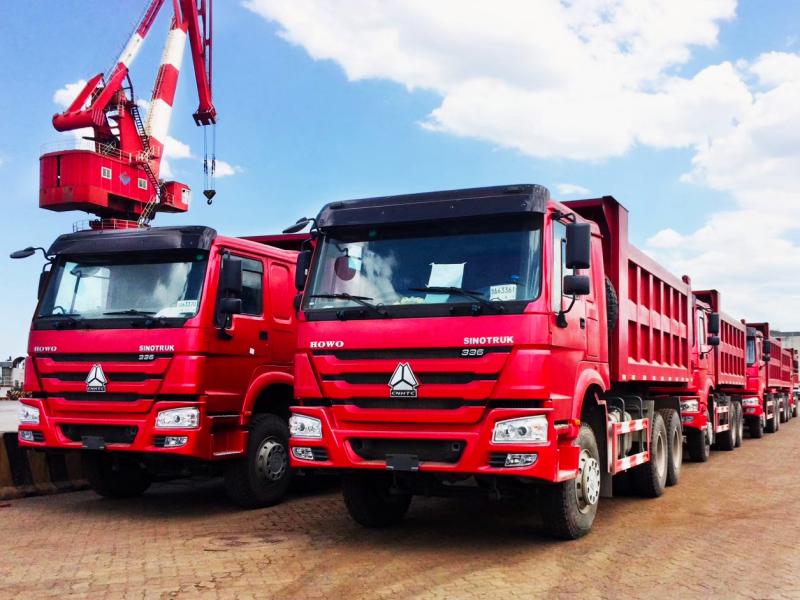
Main Use:Used for transporting large-volume or construction waste.
Application Scenarios:
- Construction sites
- Industrial zones
- Waste transfer stations
Advantages:
- One truck can serve multiple containers
- High efficiency for bulk waste transport
- Reduced loading and unloading time
5. Skip Loader Garbage Truck
A skip loader garbage truck is designed to lift and transport skip bins using hydraulic arms.
Main Use:Commonly used for heavy and bulky waste.
Application Scenarios:
- Construction and demolition sites
- Factories and warehouses
- Municipal waste collection points
Advantages:
- Strong lifting capacity
- Suitable for heavy waste materials
- Durable structure for harsh working conditions
6. Vacuum Garbage Truck
A vacuum garbage truck uses a vacuum system to collect sludge, liquid waste, and fine materials.
Main Use:Designed for liquid and semi-liquid waste collection.
Application Scenarios:
- Drainage systems and sewers
- Industrial facilities
- Environmental sanitation projects
Advantages:
- Efficient suction and transportation
- Reduced environmental pollution
- Suitable for hard-to-reach areas
7. Swing Arm Garbage Truck
A swing arm garbage truck uses a hydraulic swing arm to load and unload waste containers.
Main Use:Used for flexible waste container handling.
Application Scenarios:
- Urban and rural areas
- Temporary waste collection sites
- Community waste management
Advantages:
- Simple operation
- Low operating cost
- Easy container replacement
Different types of garbage trucks are designed to meet various waste management needs. From household waste collection to industrial and construction waste transportation, selecting the right garbage truck helps improve efficiency, reduce operating costs, and enhance environmental sanitation. Understanding the introduction, usage, application scenarios, and advantages of each type allows customers to choose the most suitable garbage truck for their specific requirements.